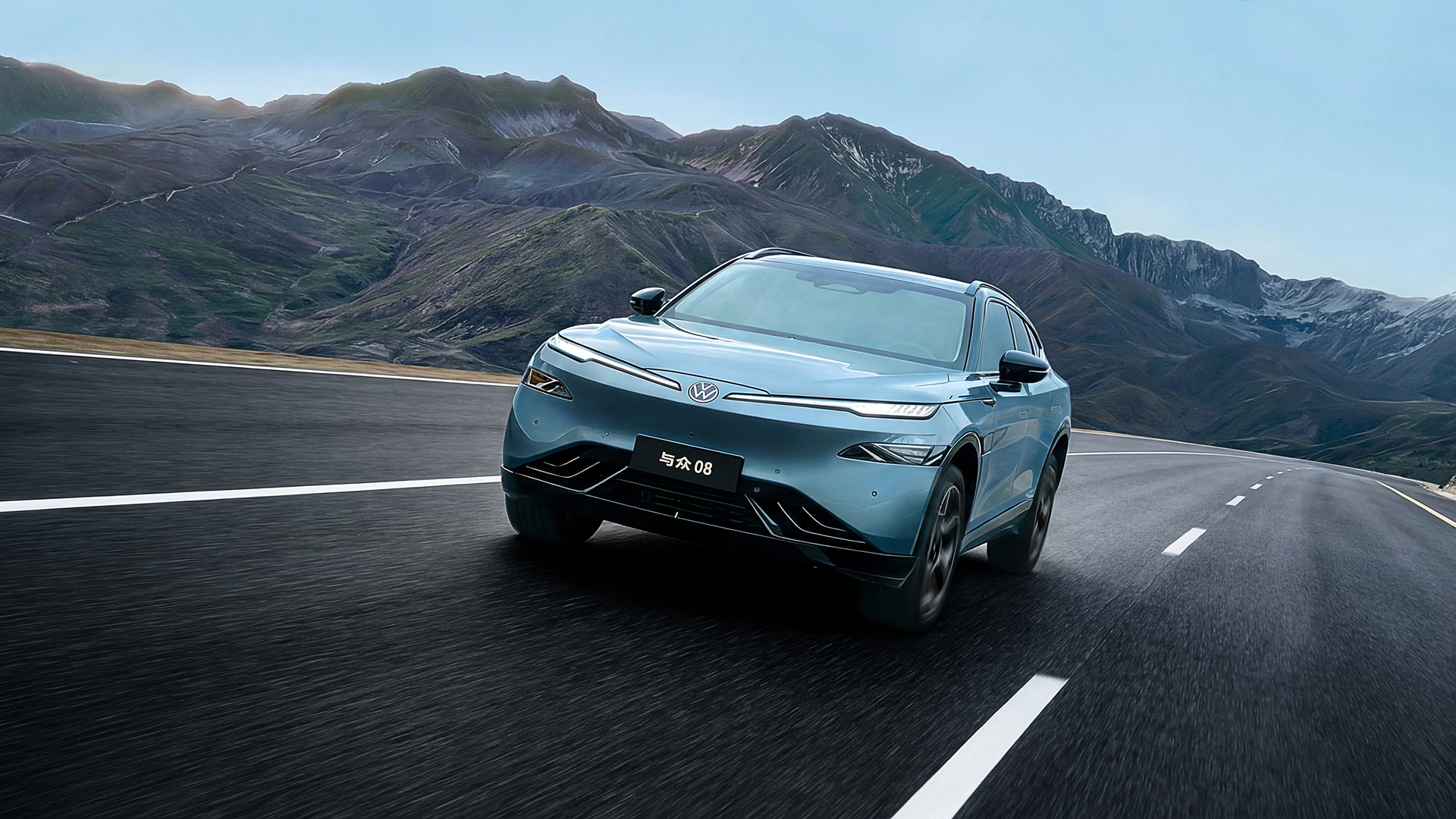
Power
230 kW
(312 HP)
Top Speed
200 km/h
Battery Options
Similar Electric Vehicles
View All SUVs →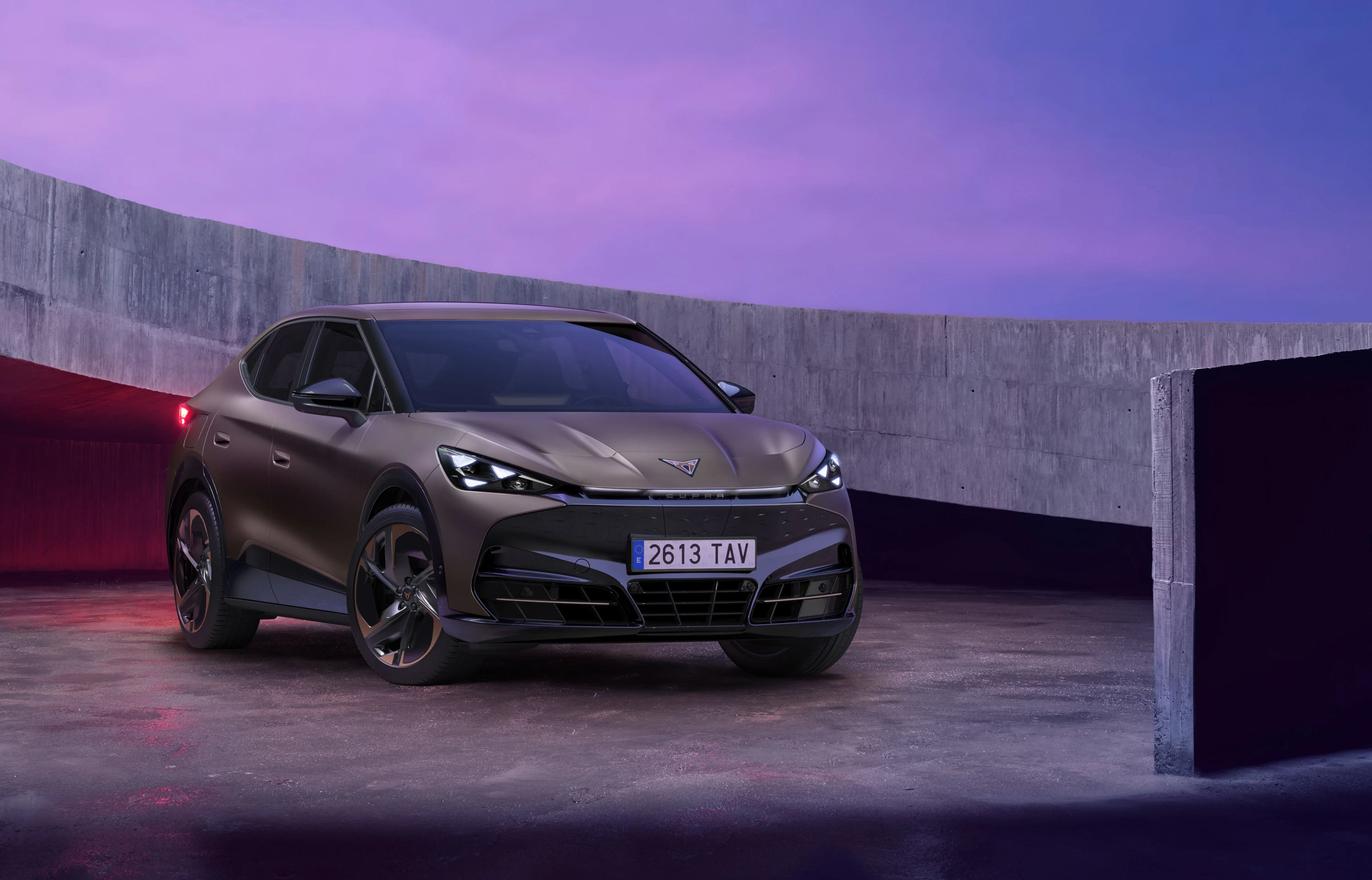
CUPRA Tavascan VZ
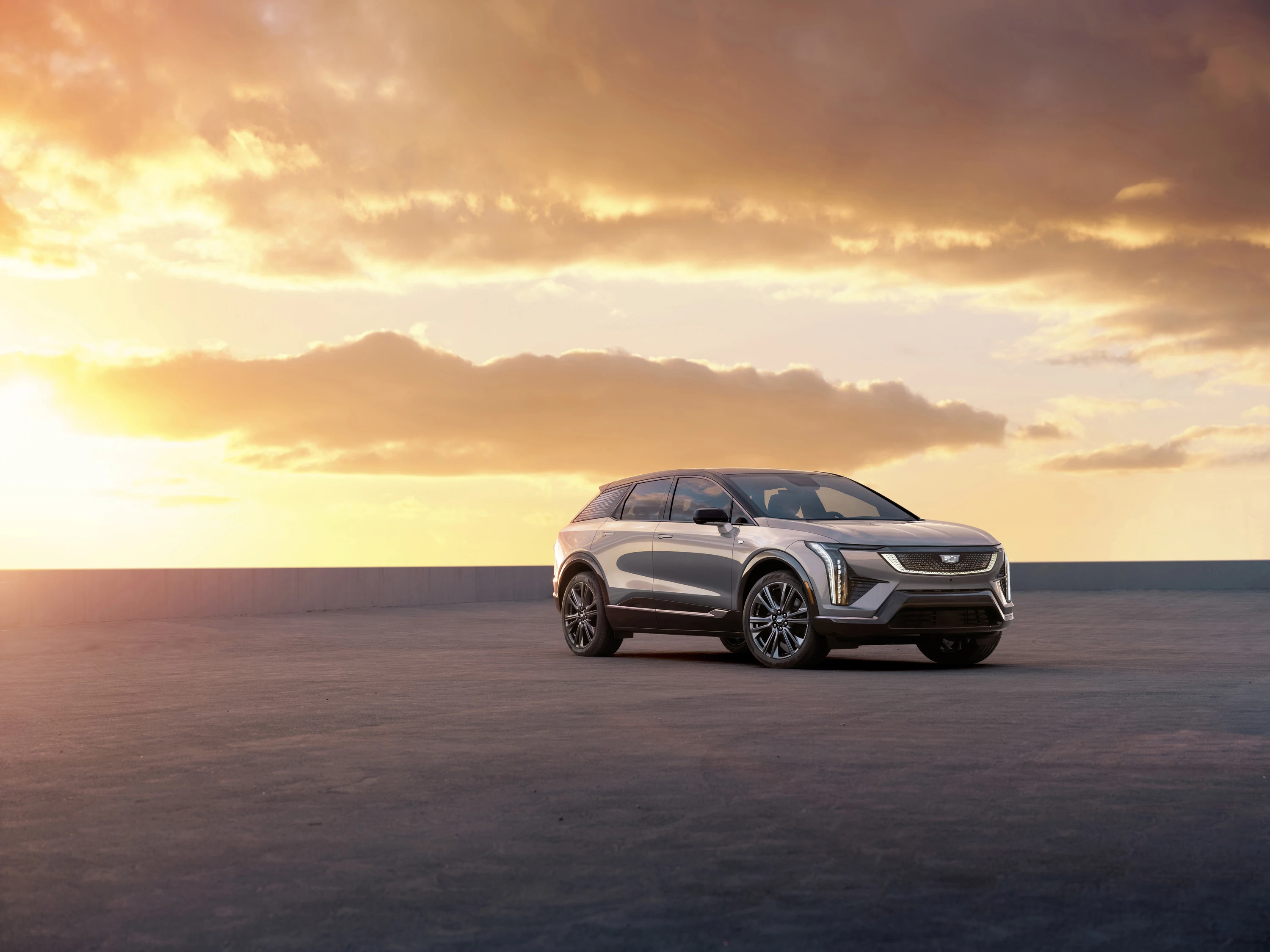
Cadillac OPTIQ AWD
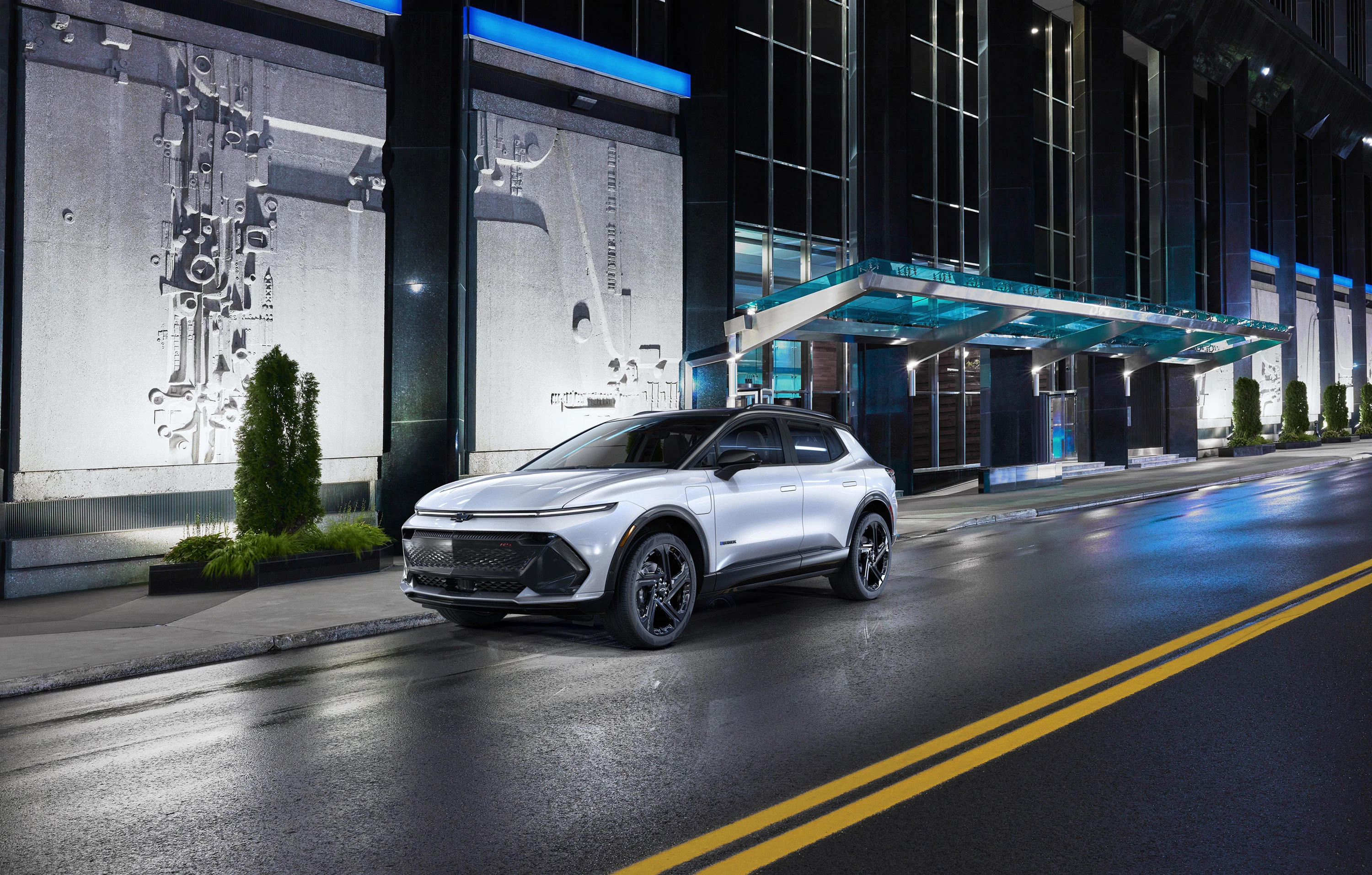
Chevrolet Equinox EV AWD
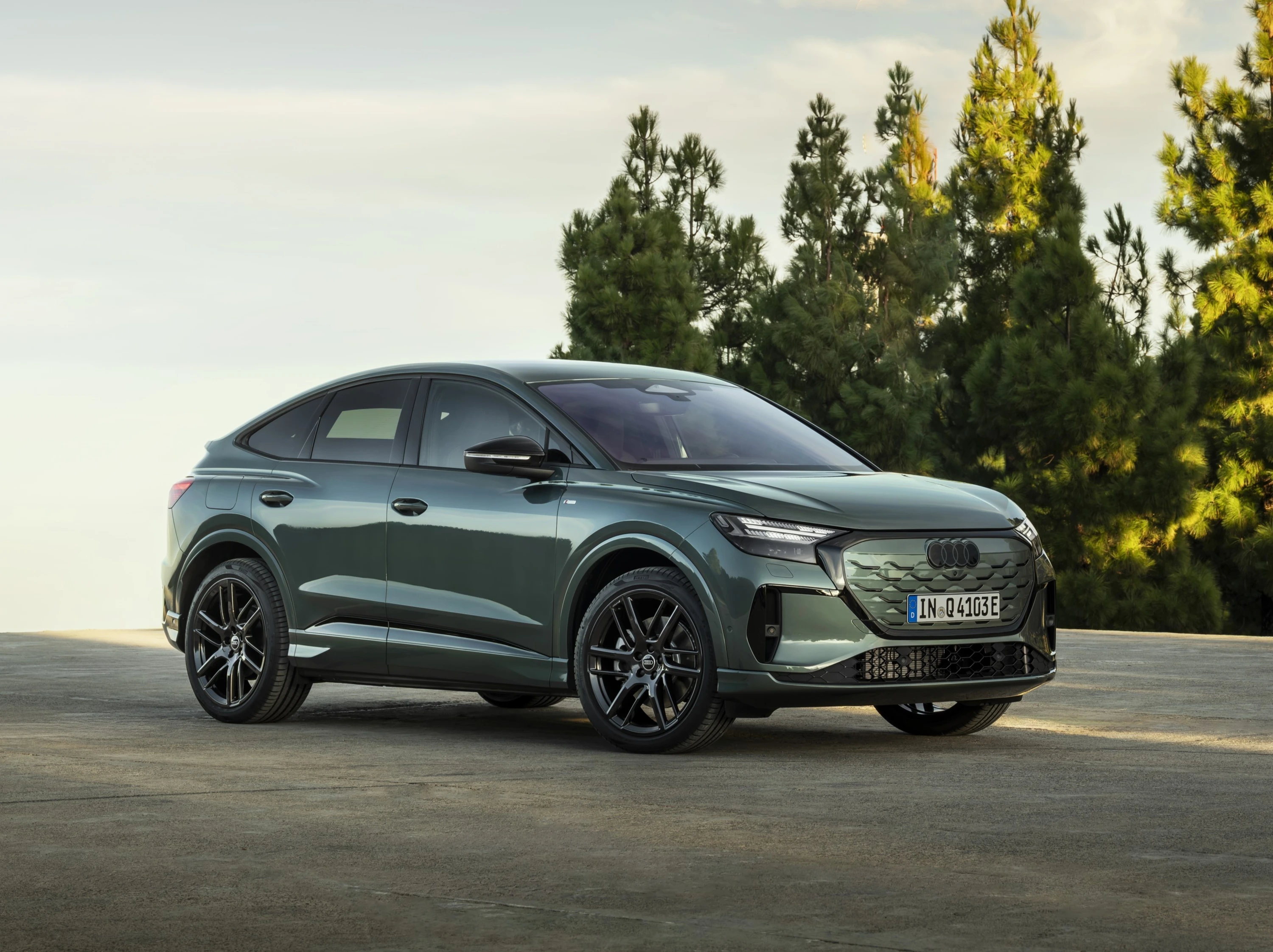
Audi Q4 e-tron Sportback performance
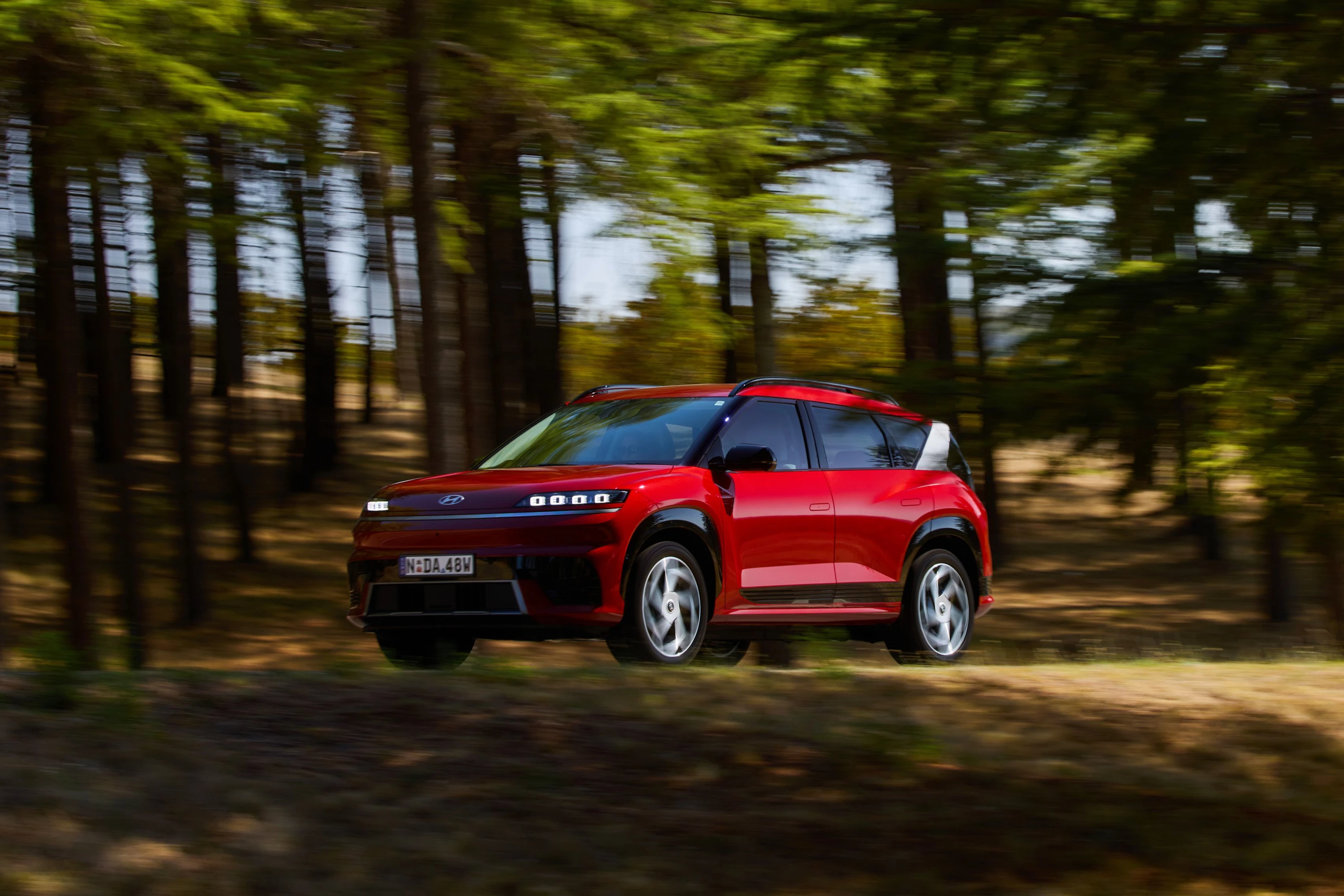
Hyundai Elexio 88.1 kWh AWD
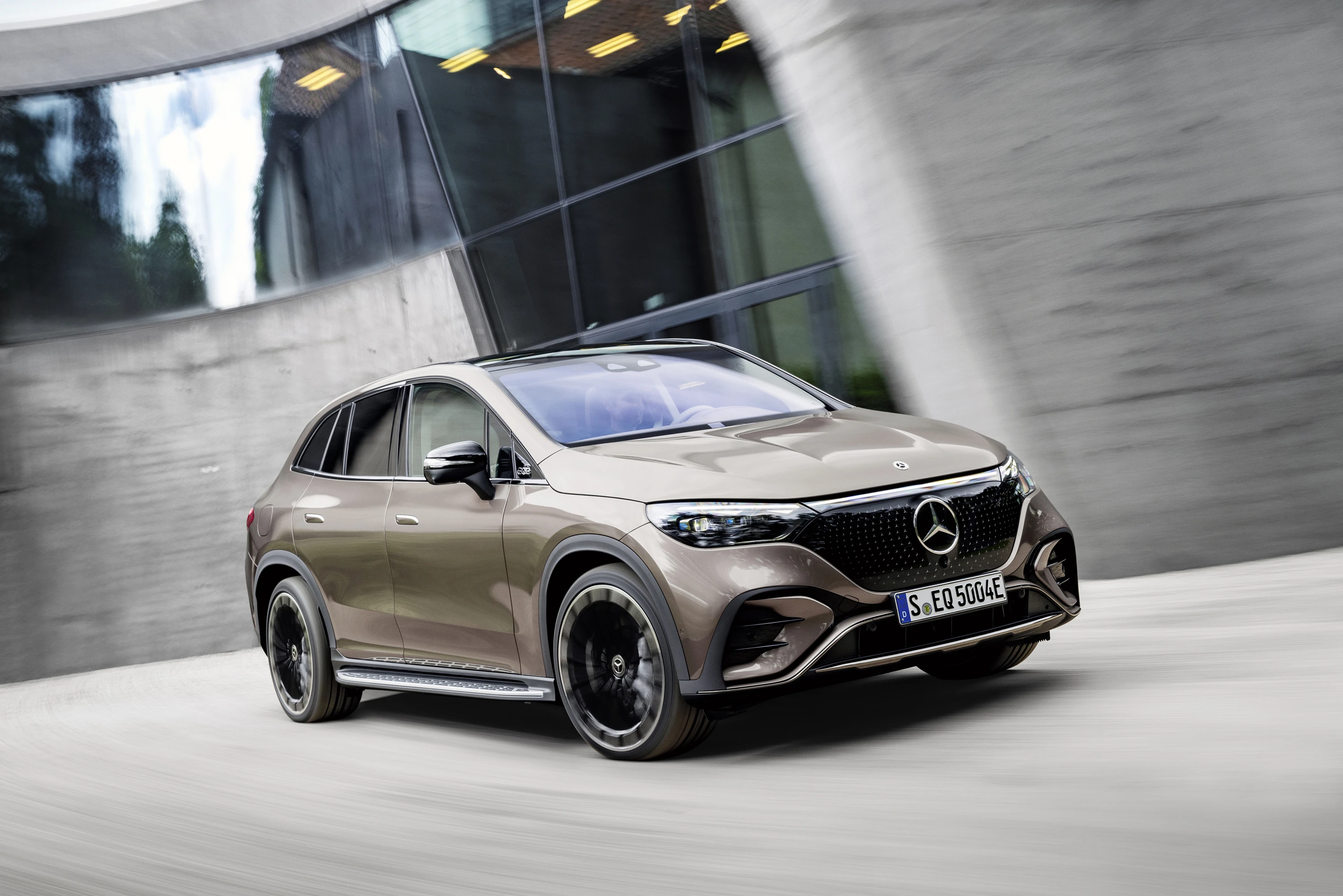
Mercedes-EQ EQE 350 4MATIC SUV
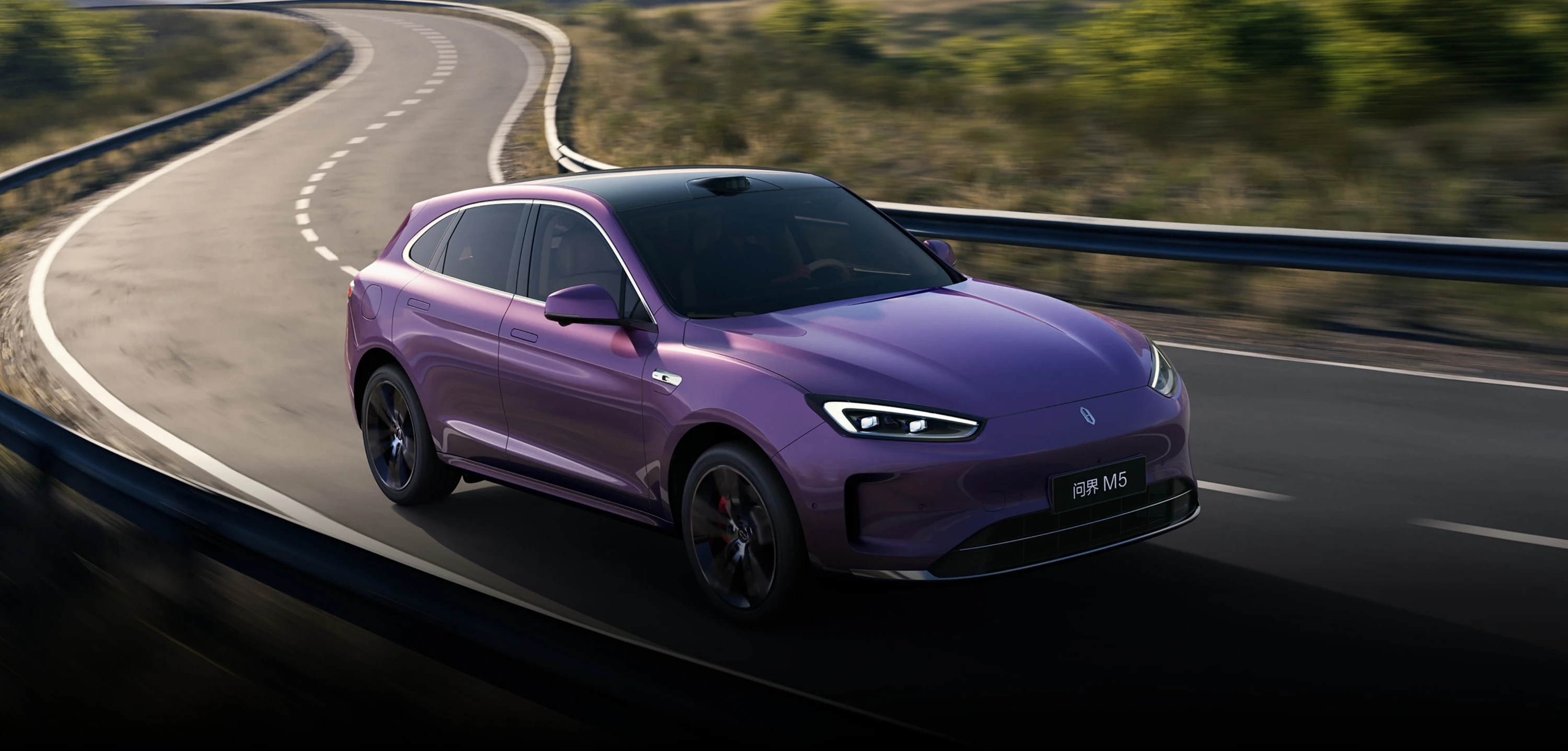
AITO M5 RWD
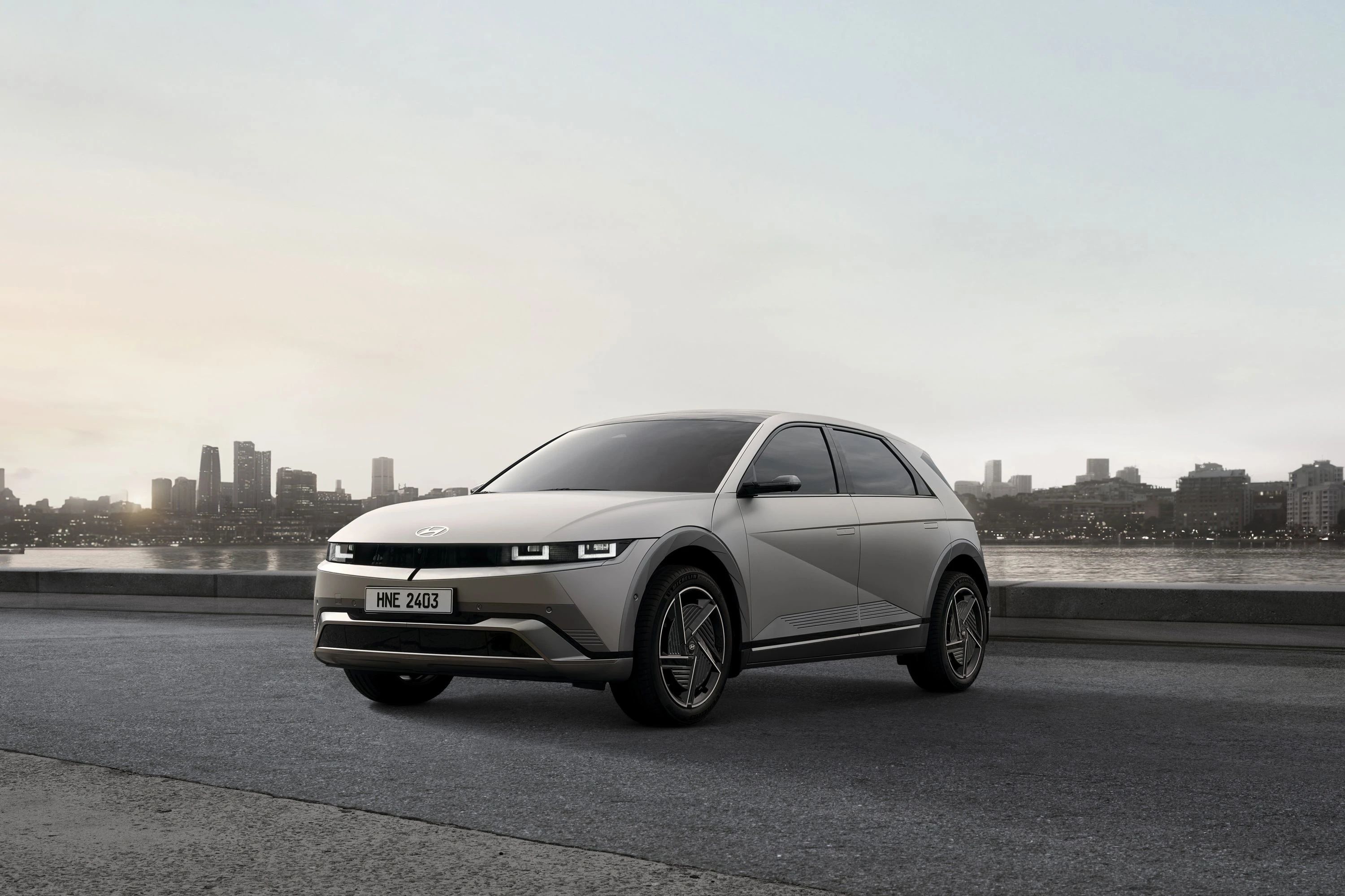
Hyundai Ioniq 5 Long Range AWD
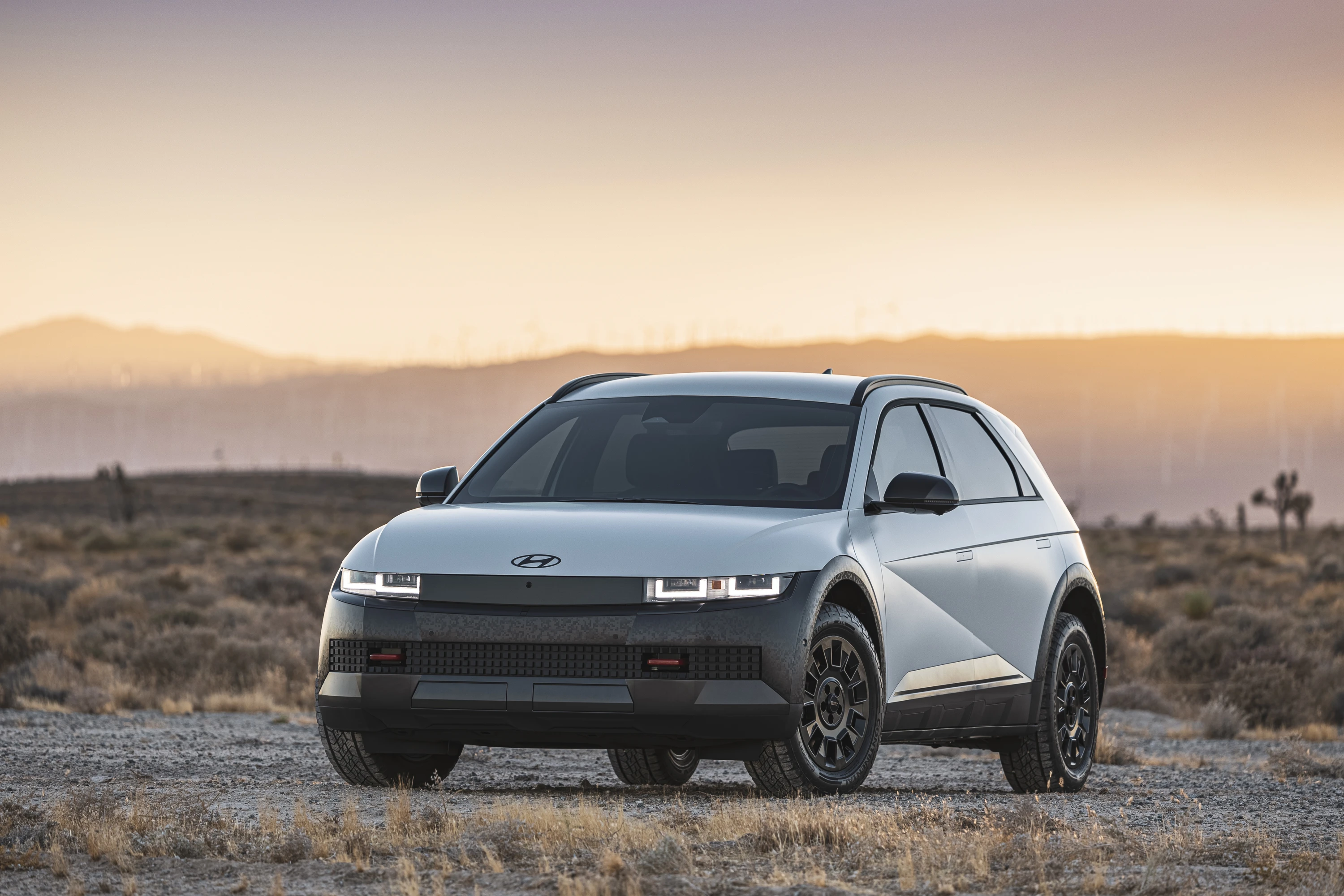
Hyundai Ioniq 5 XRT
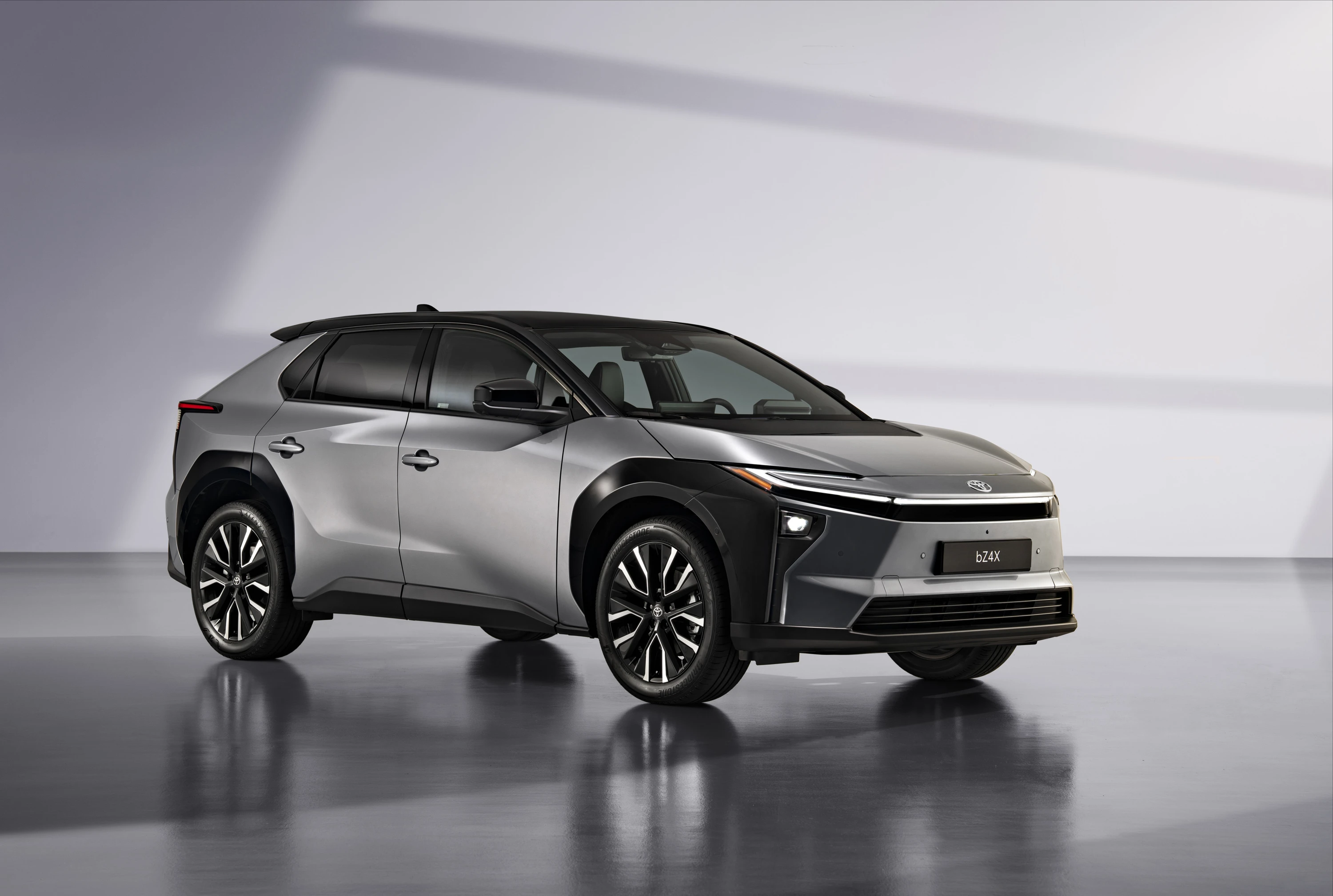
Toyota bZ4x AWD
Charging Curve & Charging Speed Analysis
Understanding Charging Performance
Charging performance isn't just about peak power—it's about sustained power across the entire charging curve. A vehicle that maintains 150kW from 10-80% SOC will charge faster than one that peaks at 250kW but quickly drops to 100kW after 20% SOC. The shape of the curve matters more than the highest peak power.
The key metric is C-rate, which accounts for both charging power and battery capacity. A C-rate of 2.0 means the battery can theoretically charge from 0-100% in 30 minutes, while 1.0 C-rate equals 60 minutes. This makes it easy to compare vehicles regardless of battery size.
Charging Curve Shape
Flat, sustained power across a wide SOC range beats high peaks that quickly taper off. Look for vehicles that maintain high power from 10-80% SOC.
C‑Rate & Timing
C-rate normalizes charging speed across different battery sizes. Higher C-rates mean shorter charging times and more flexible road trip planning.
Battery Options
Reliable charging data is not available for this battery
The source currently provides no plausible DC charging curve, so charging times and charging-speed analysis are intentionally not shown.