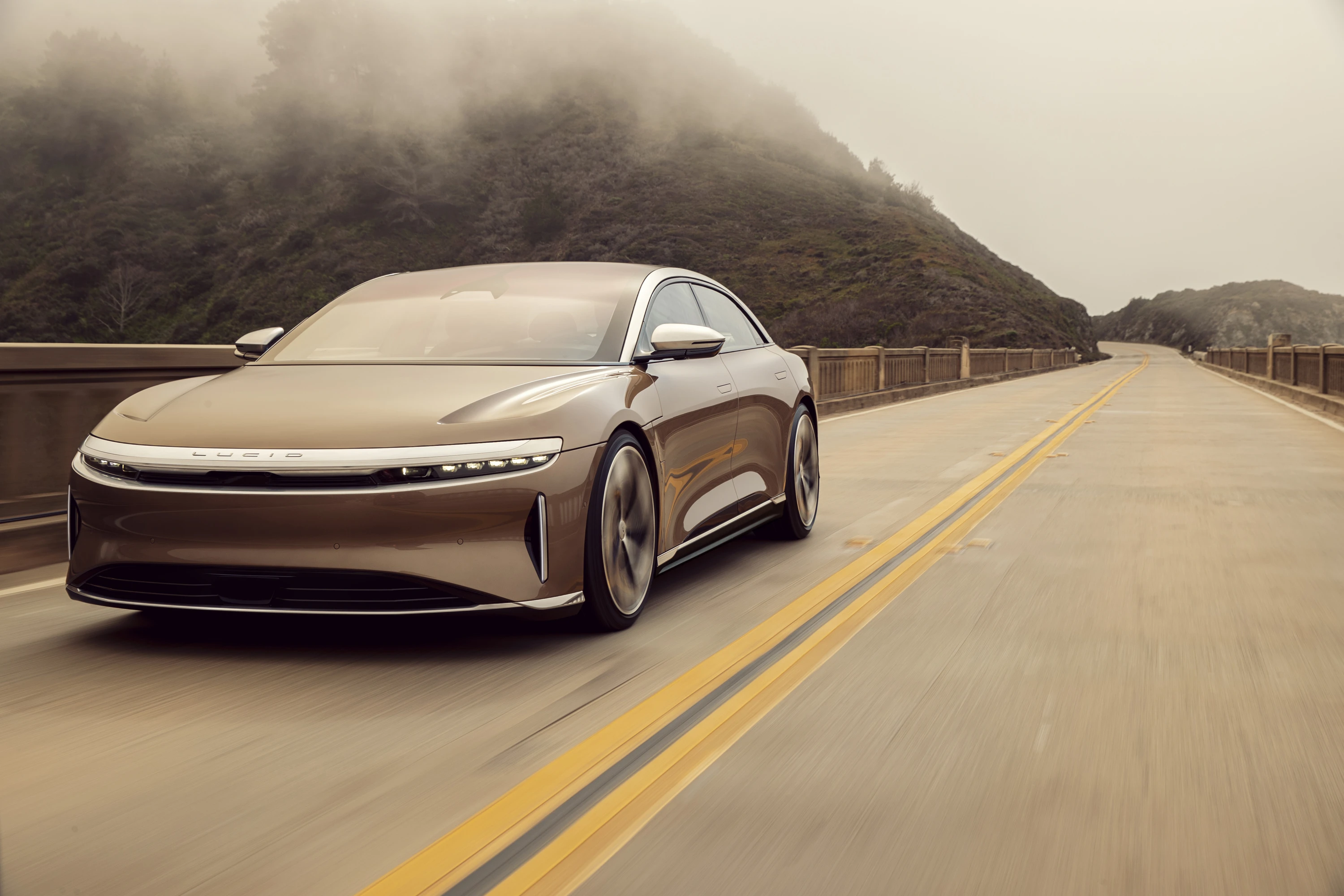
Power
696 kW
(946 HP)
0-100 km/h
2.9 s
Top Speed
270 km/h
Battery Options
Similar Electric Vehicles
View All Sedans →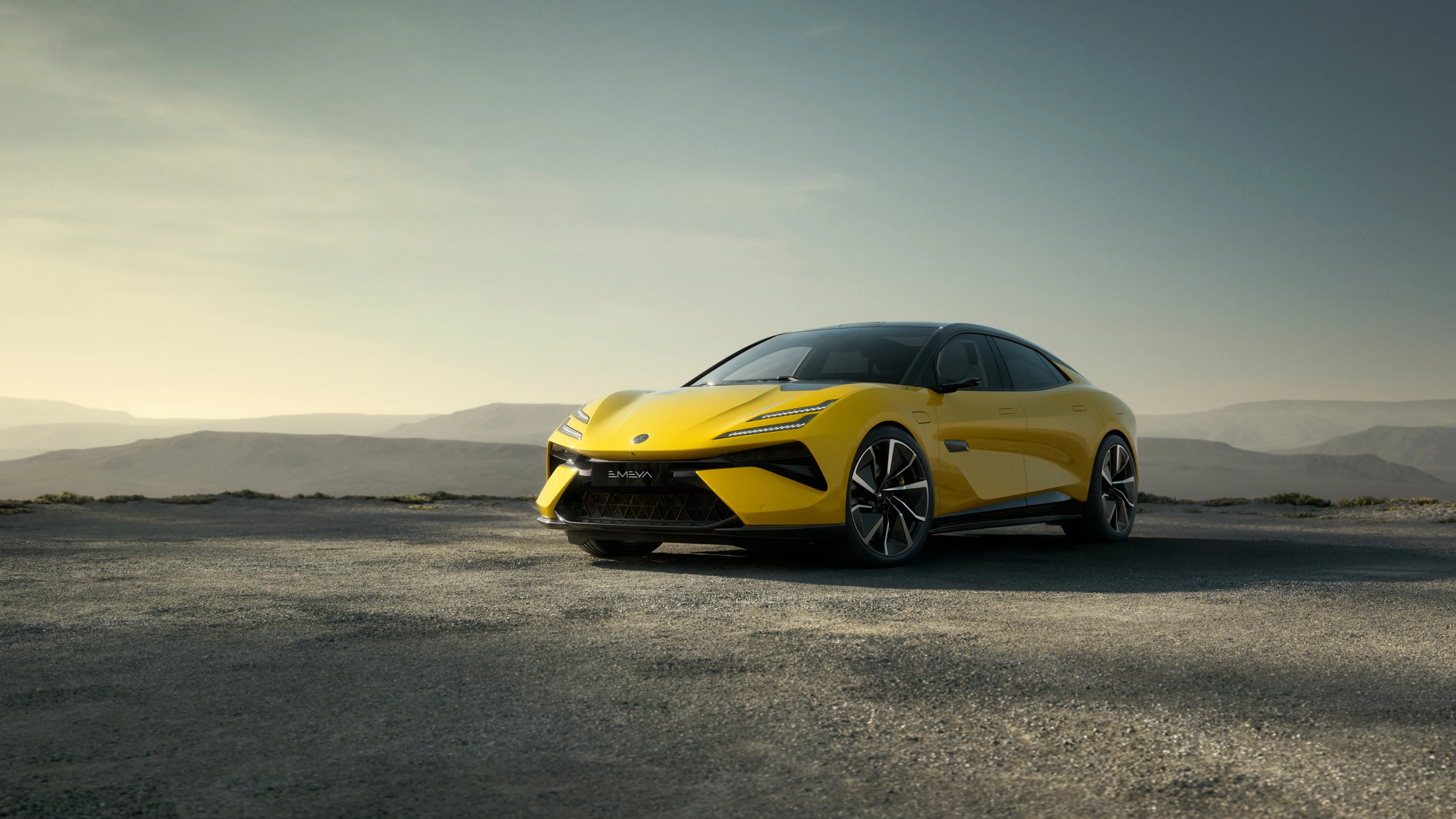
Lotus Emeya R
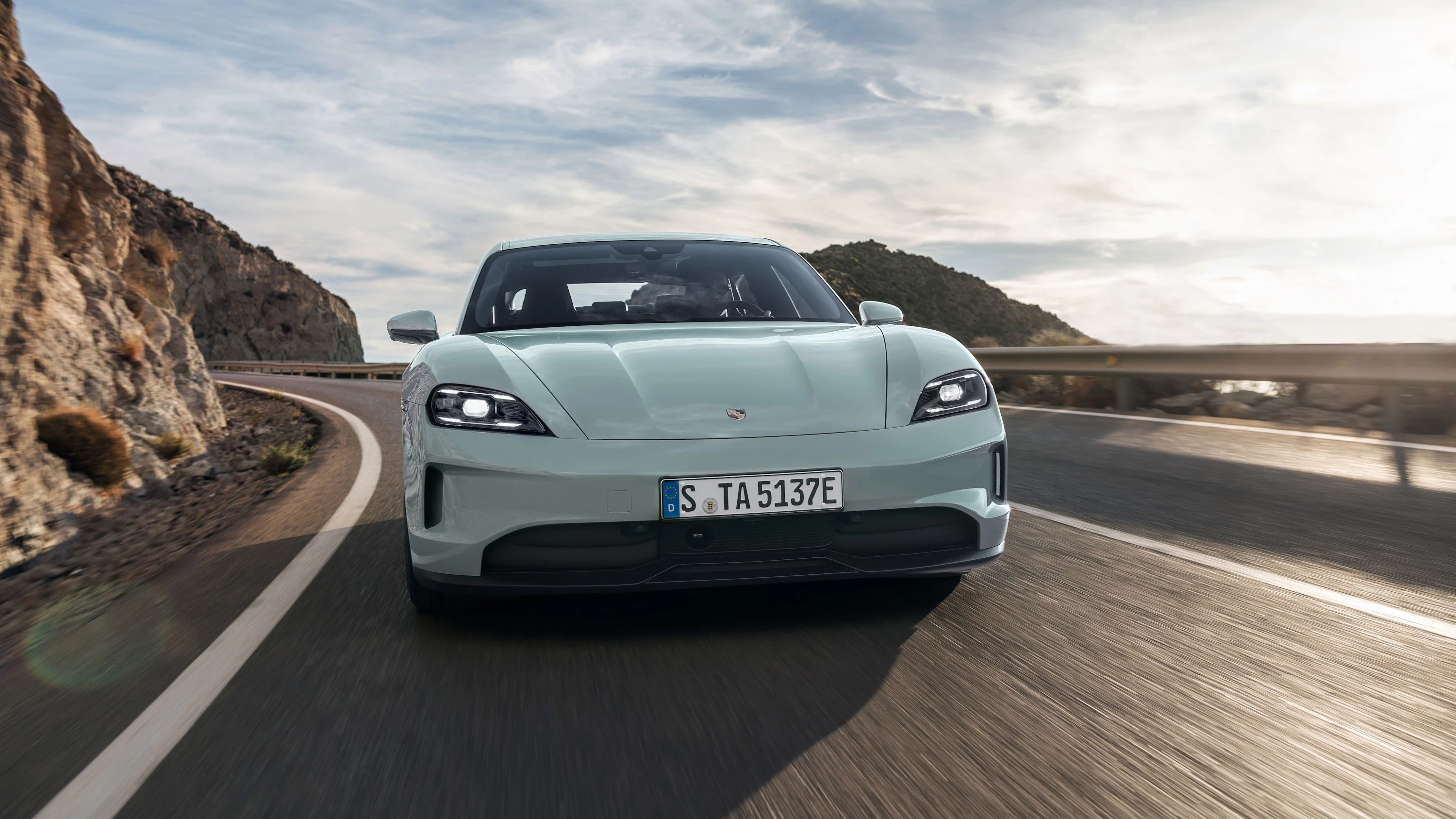
Porsche Taycan Turbo S
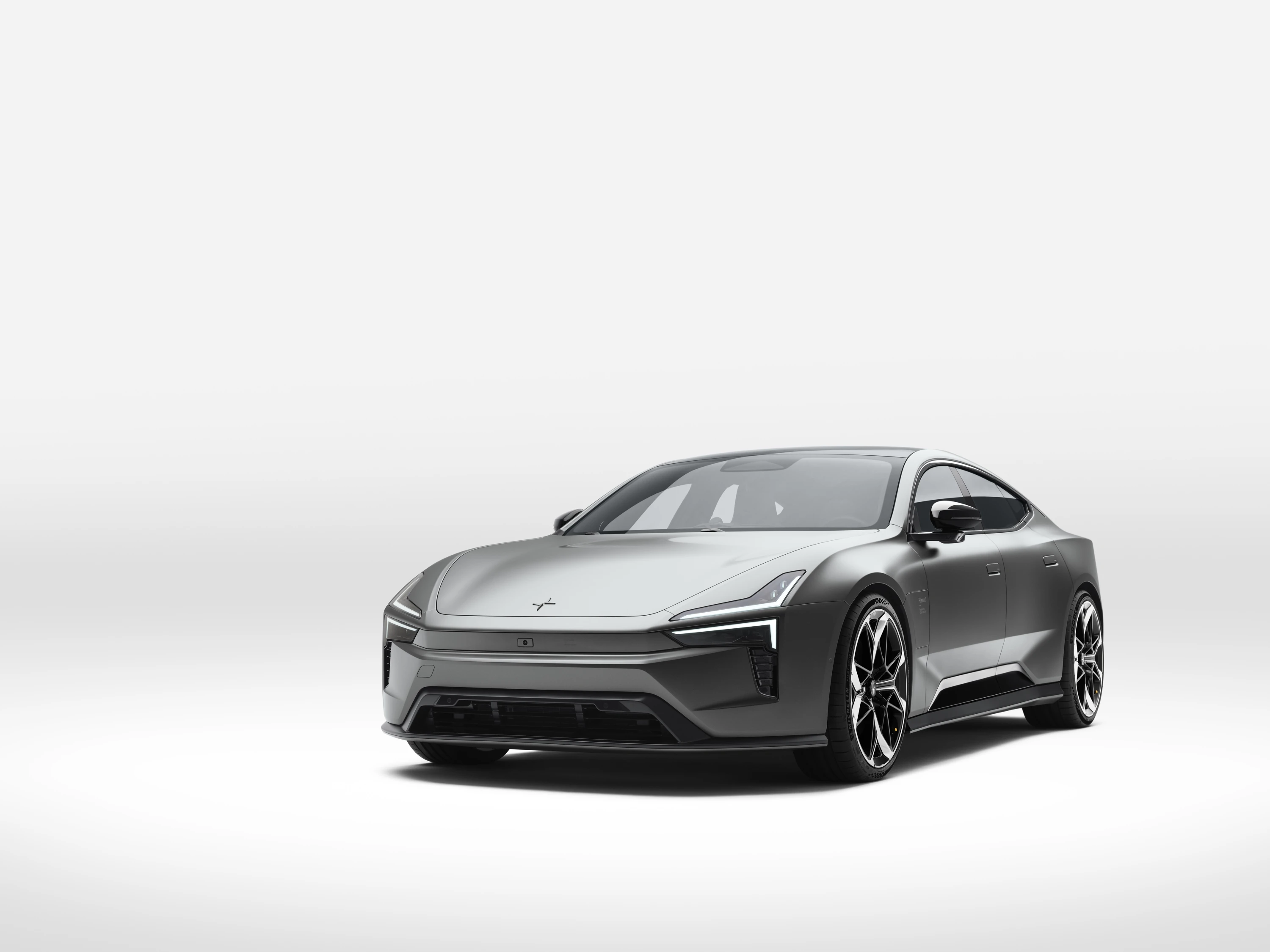
Polestar 5 Dual Motor Performance
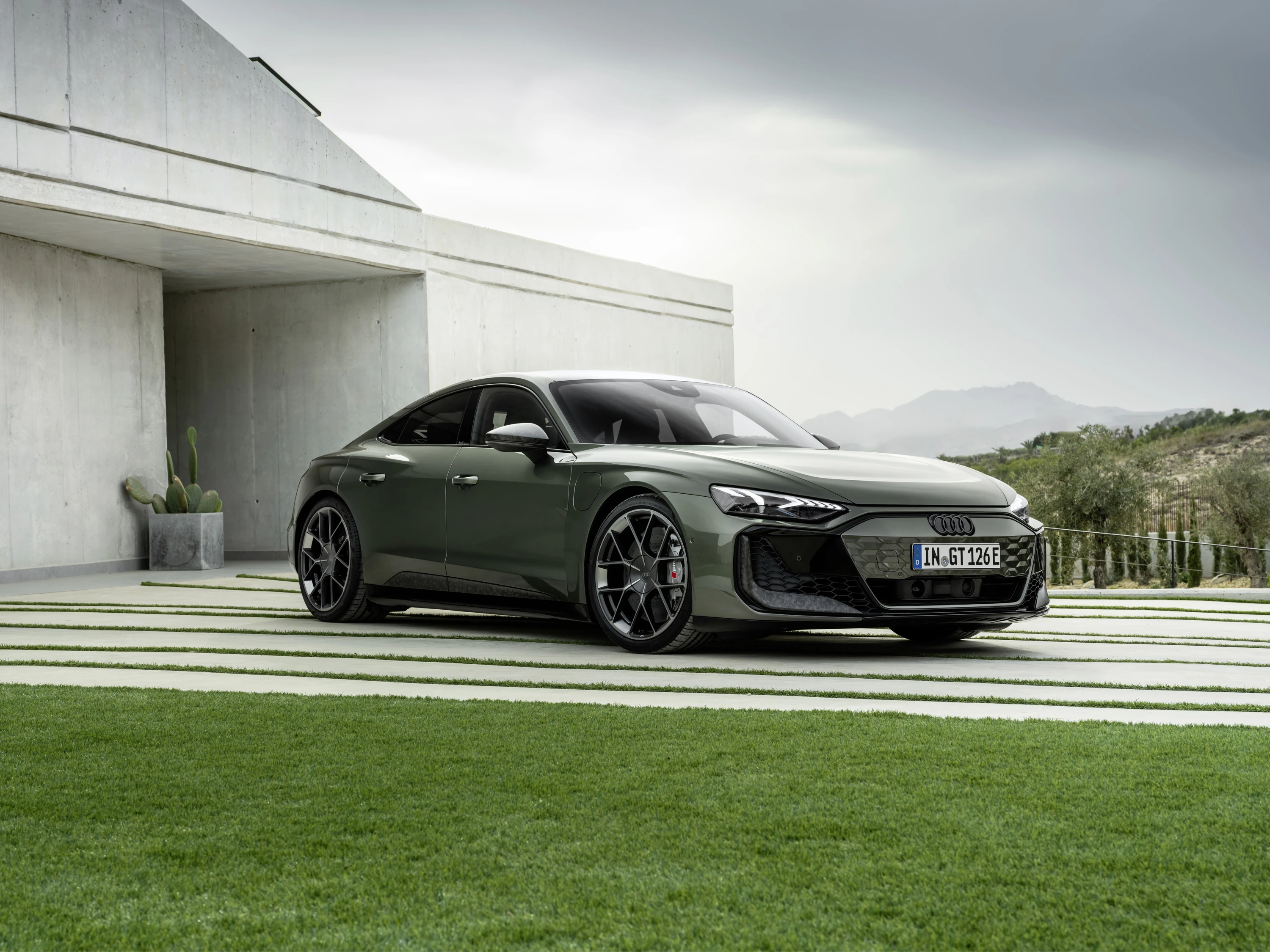
Audi RS e-tron GT performance
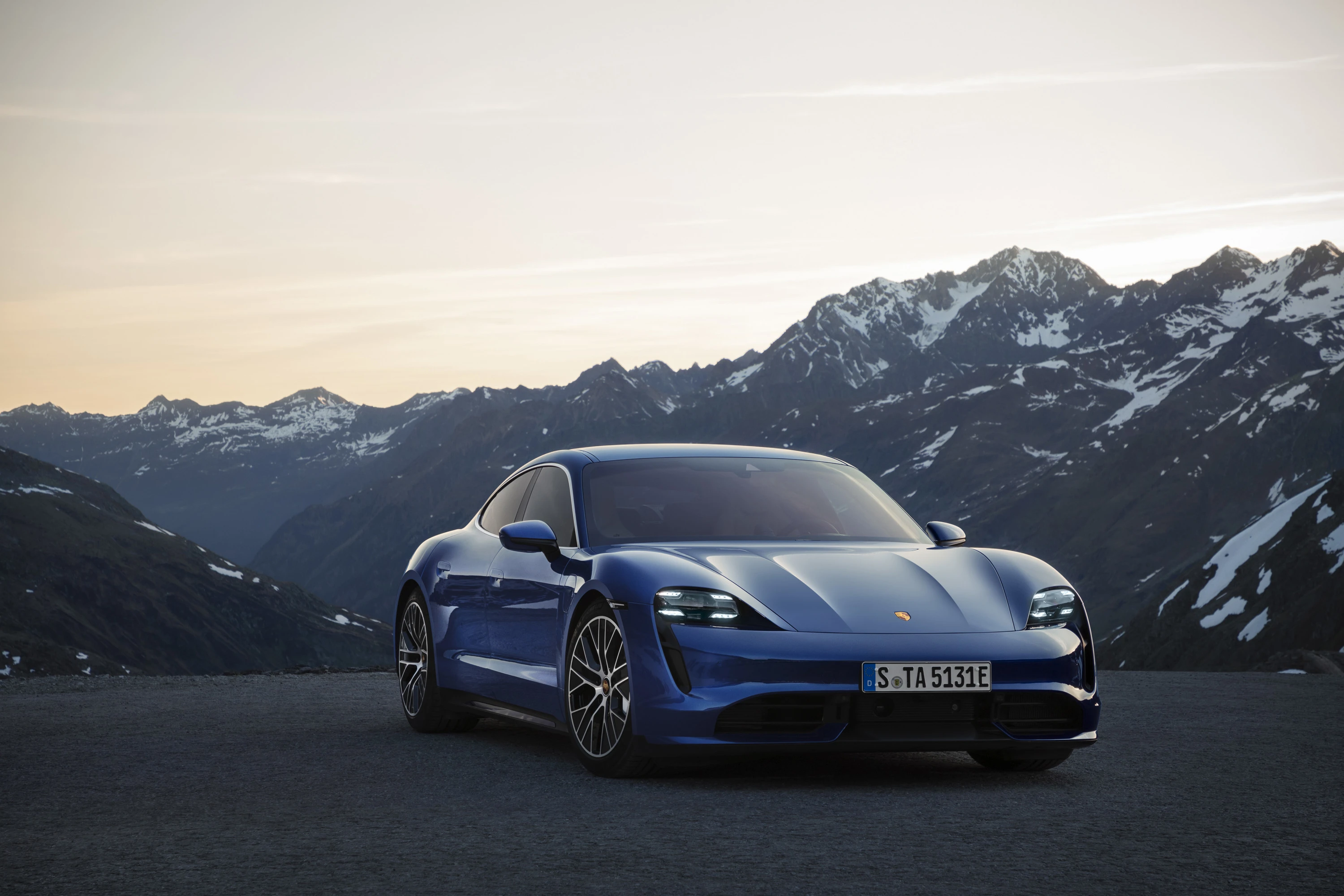
Porsche Taycan Turbo
Charging Curve & Charging Speed Analysis
Understanding Charging Performance
Charging performance isn't just about peak power—it's about sustained power across the entire charging curve. A vehicle that maintains 150kW from 10-80% SOC will charge faster than one that peaks at 250kW but quickly drops to 100kW after 20% SOC. The shape of the curve matters more than the highest peak power.
The key metric is C-rate, which accounts for both charging power and battery capacity. A C-rate of 2.0 means the battery can theoretically charge from 0-100% in 30 minutes, while 1.0 C-rate equals 60 minutes. This makes it easy to compare vehicles regardless of battery size.
Charging Curve Shape
Flat, sustained power across a wide SOC range beats high peaks that quickly taper off. Look for vehicles that maintain high power from 10-80% SOC.
C‑Rate & Timing
C-rate normalizes charging speed across different battery sizes. Higher C-rates mean shorter charging times and more flexible road trip planning.
Battery Options
Average Charging Power
103 kW
Avg C‑rate: 0.9
Maximum Charging Power
318 kW
At 9 → 12% SOC
Minimum Charging Power
4 kW
0–100% Charging Time
1 h 13 min
Charging Curve
State of Charge over Time
| SOC Range | Charging Time | Avg. Power | Avg. C-Rate | Energy Added |
|---|---|---|---|---|
| 0% → 100% | 1 h 13 min | 102.7 kW | 0.88 C | 125.8 kWh |
| 0% → 90% | 40 min | 169.0 kW | 1.45 C | 113.2 kWh |
| 0% → 80% | 31 min | 192.6 kW | 1.65 C | 100.6 kWh |
| 5% → 100% | 1 h 12 min | 99.4 kW | 0.85 C | 119.5 kWh |
| 5% → 90% | 38 min | 165.2 kW | 1.41 C | 106.9 kWh |
| 5% → 80% | 29 min | 188.8 kW | 1.61 C | 94.3 kWh |
| 10% → 100% | 1 h 10 min | 95.8 kW | 0.82 C | 113.2 kWh |
| 10% → 90% | 37 min | 160.5 kW | 1.37 C | 100.7 kWh |
| 10% → 80% | 28 min | 183.7 kW | 1.57 C | 88.1 kWh |