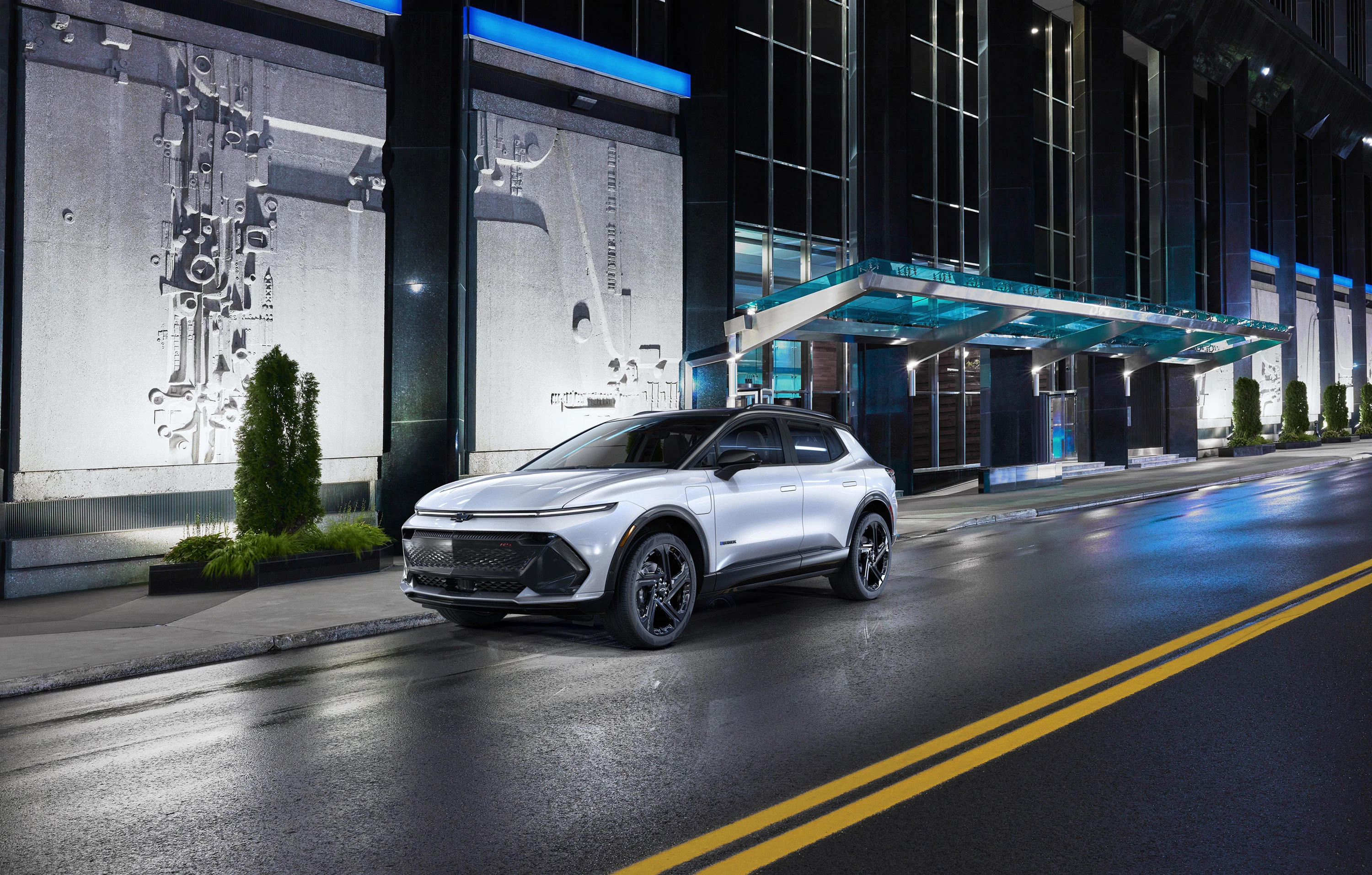
Power
215 kW
(292 HP)
0-100 km/h
6.0 s
Top Speed
210 km/h
Battery Options
Similar Electric Vehicles
View All SUVs →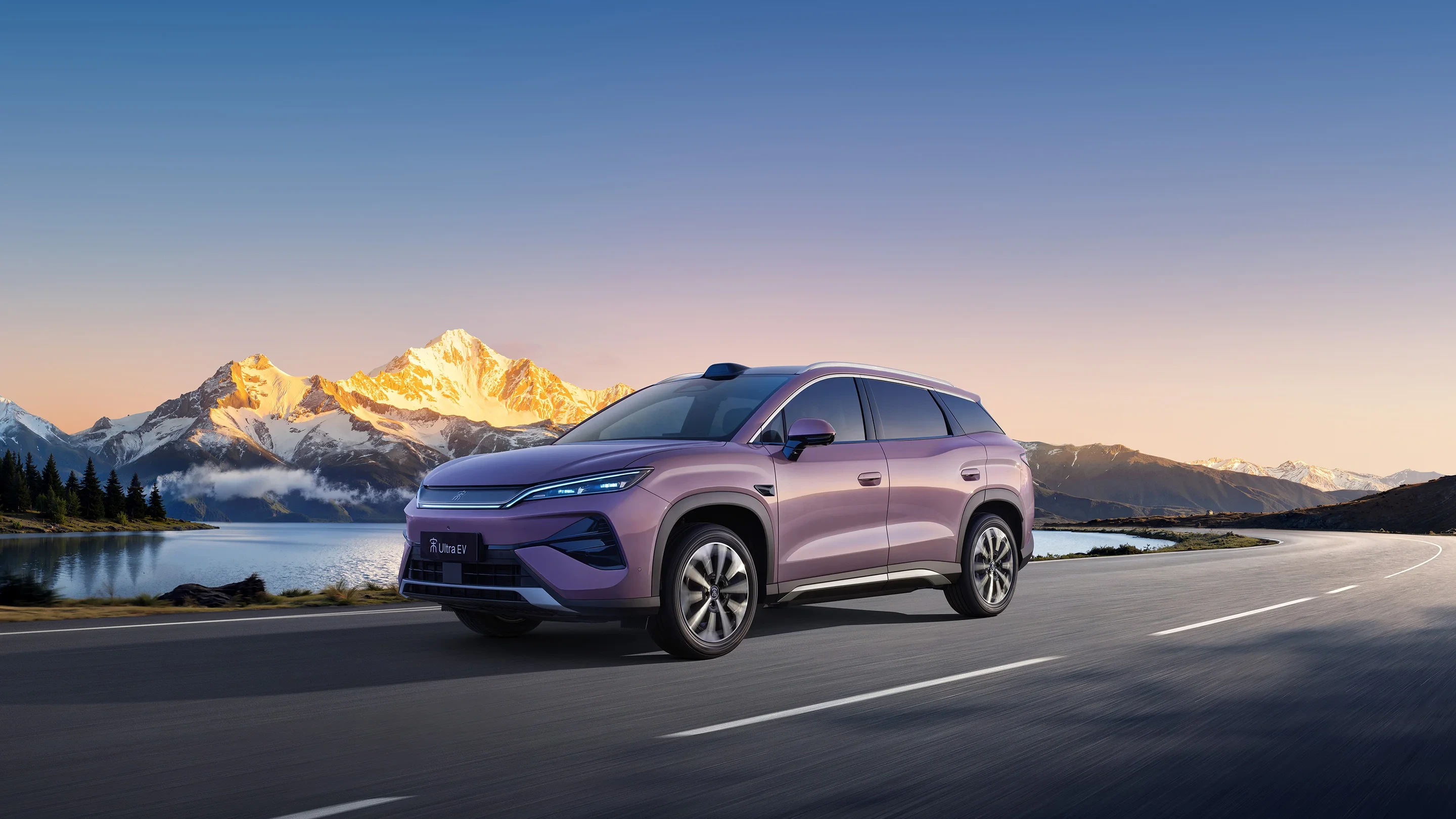
BYD Song Ultra EV 605
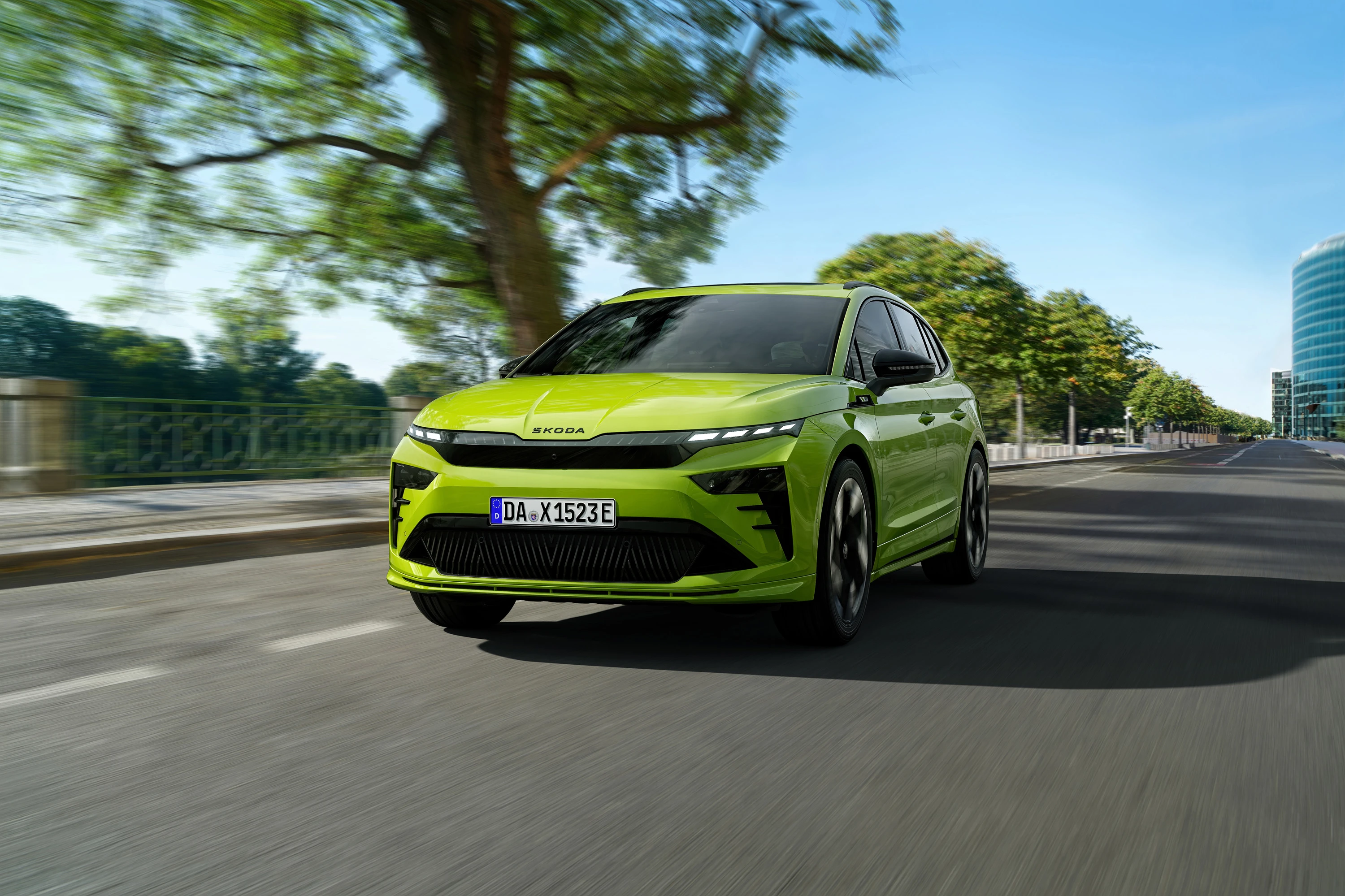
SKODA Enyaq RS
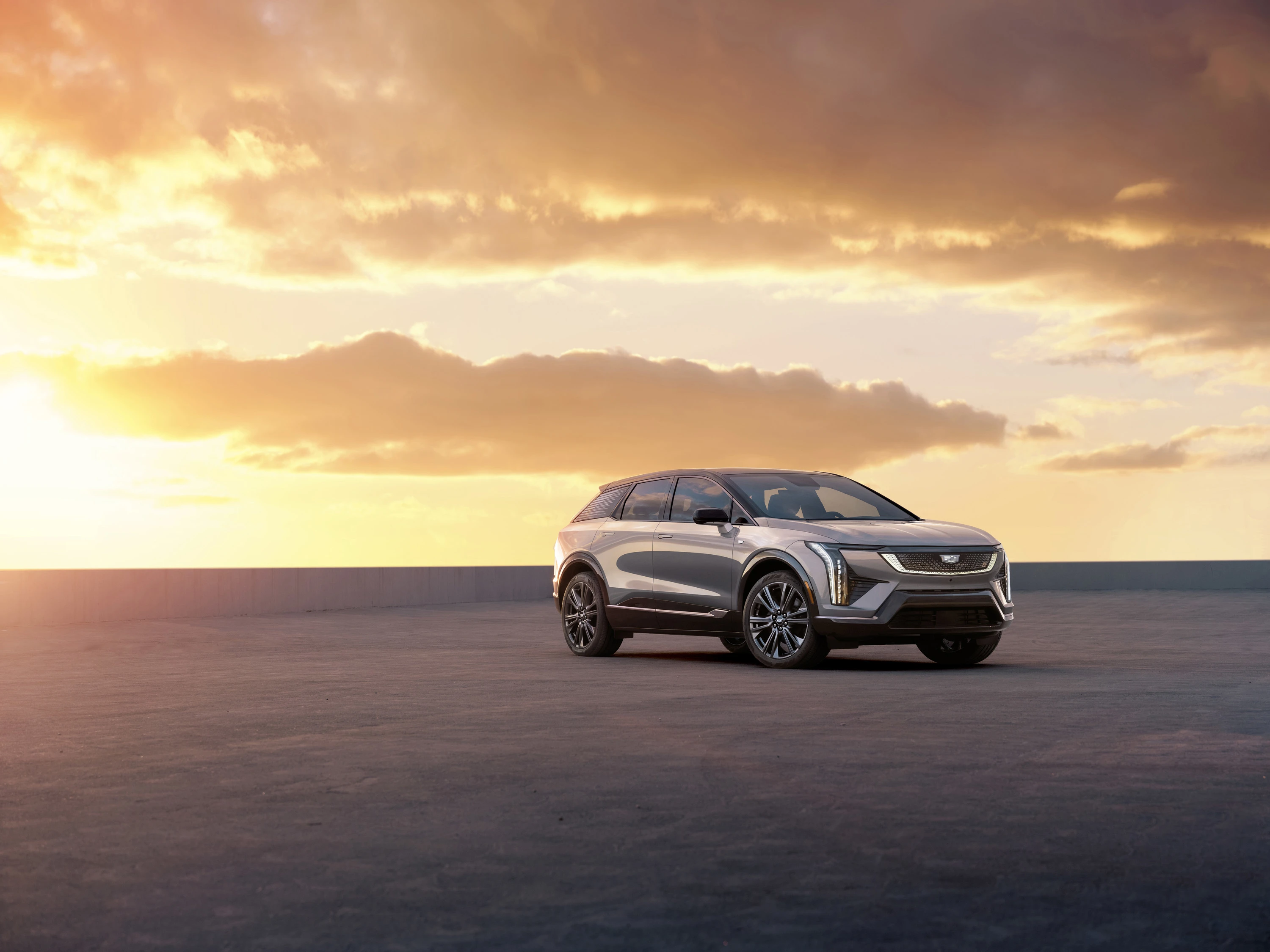
Cadillac OPTIQ RWD

Mazda CX-6e
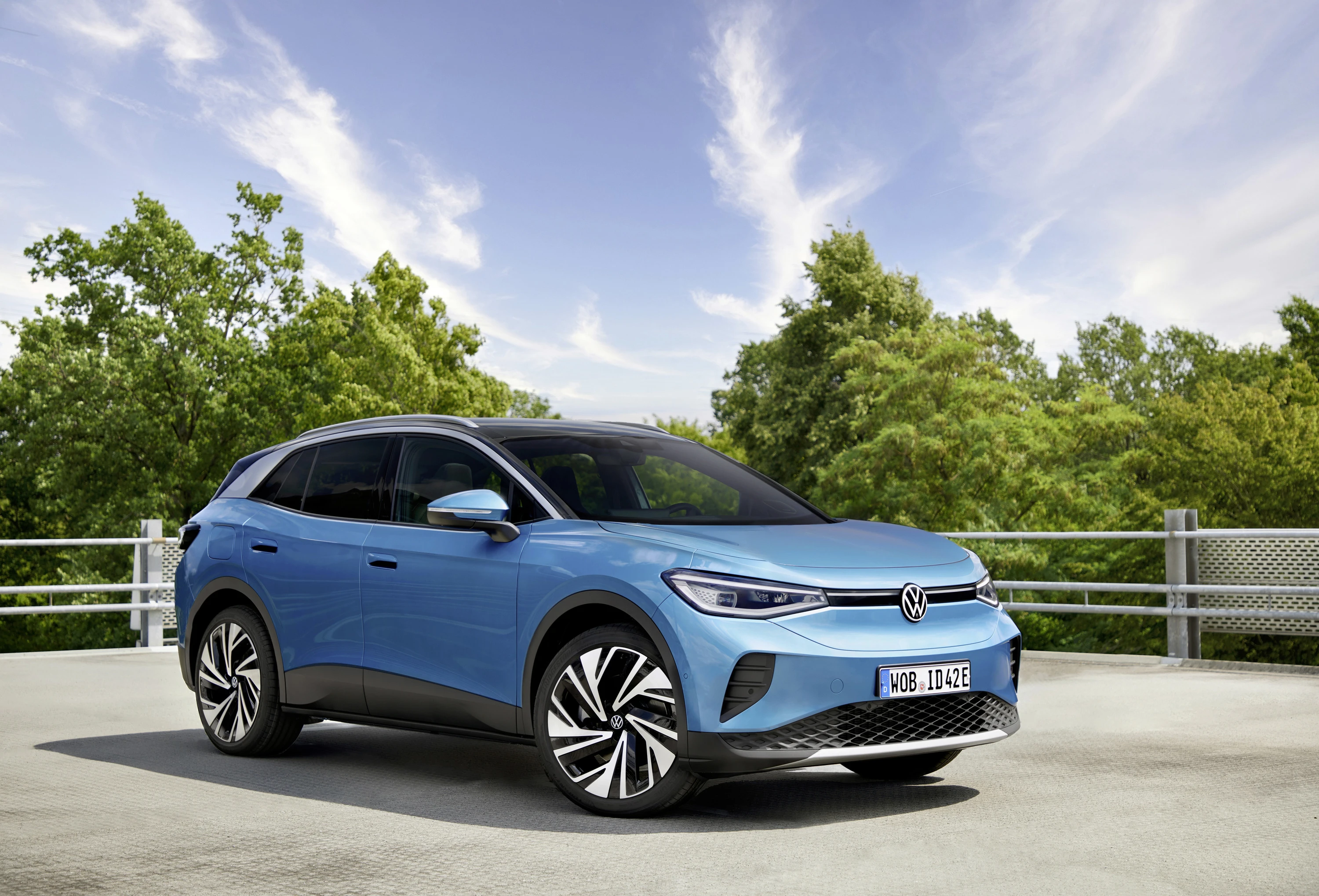
Volkswagen ID.4 Pro
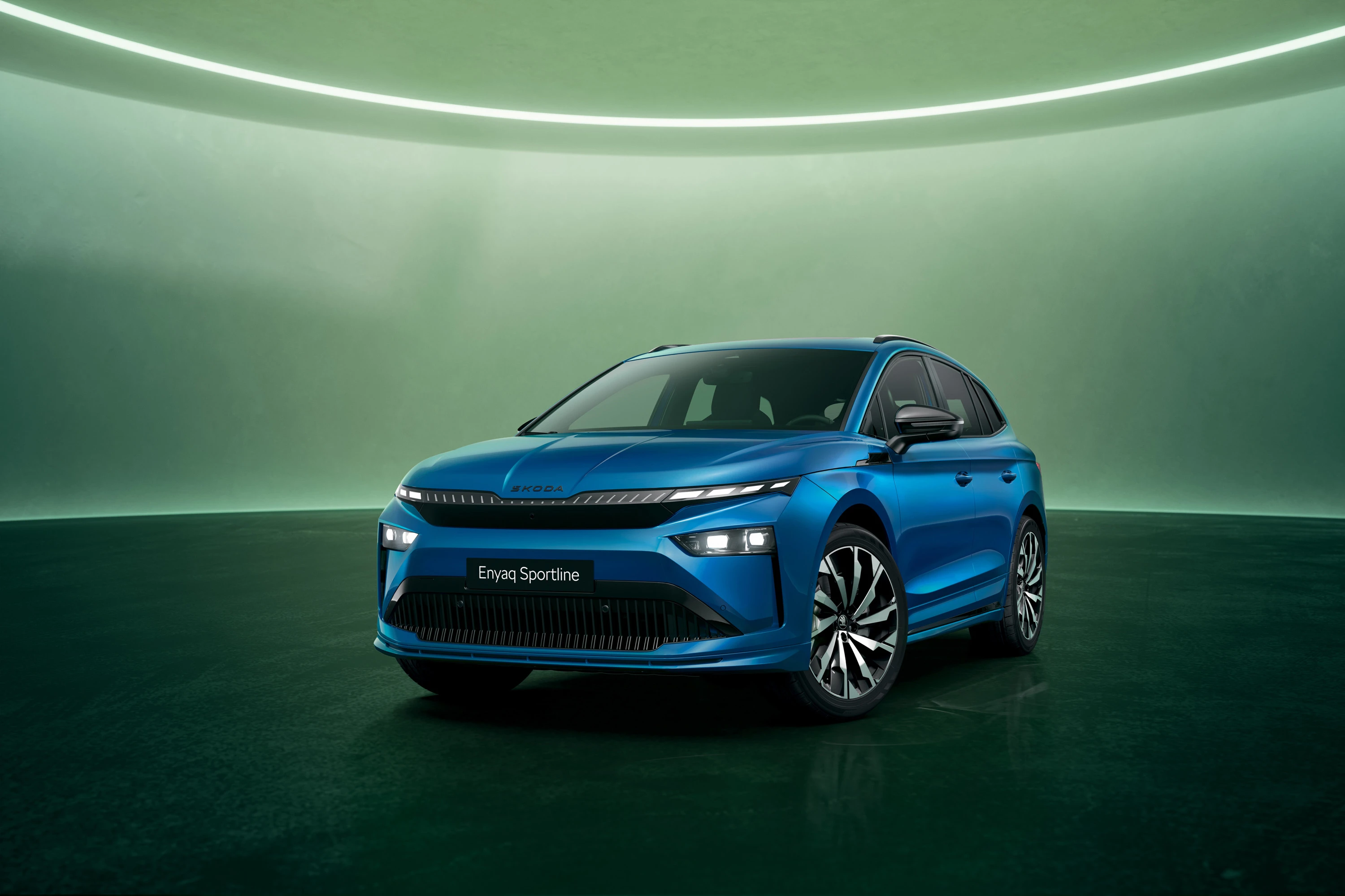
SKODA ENYAQ 85x
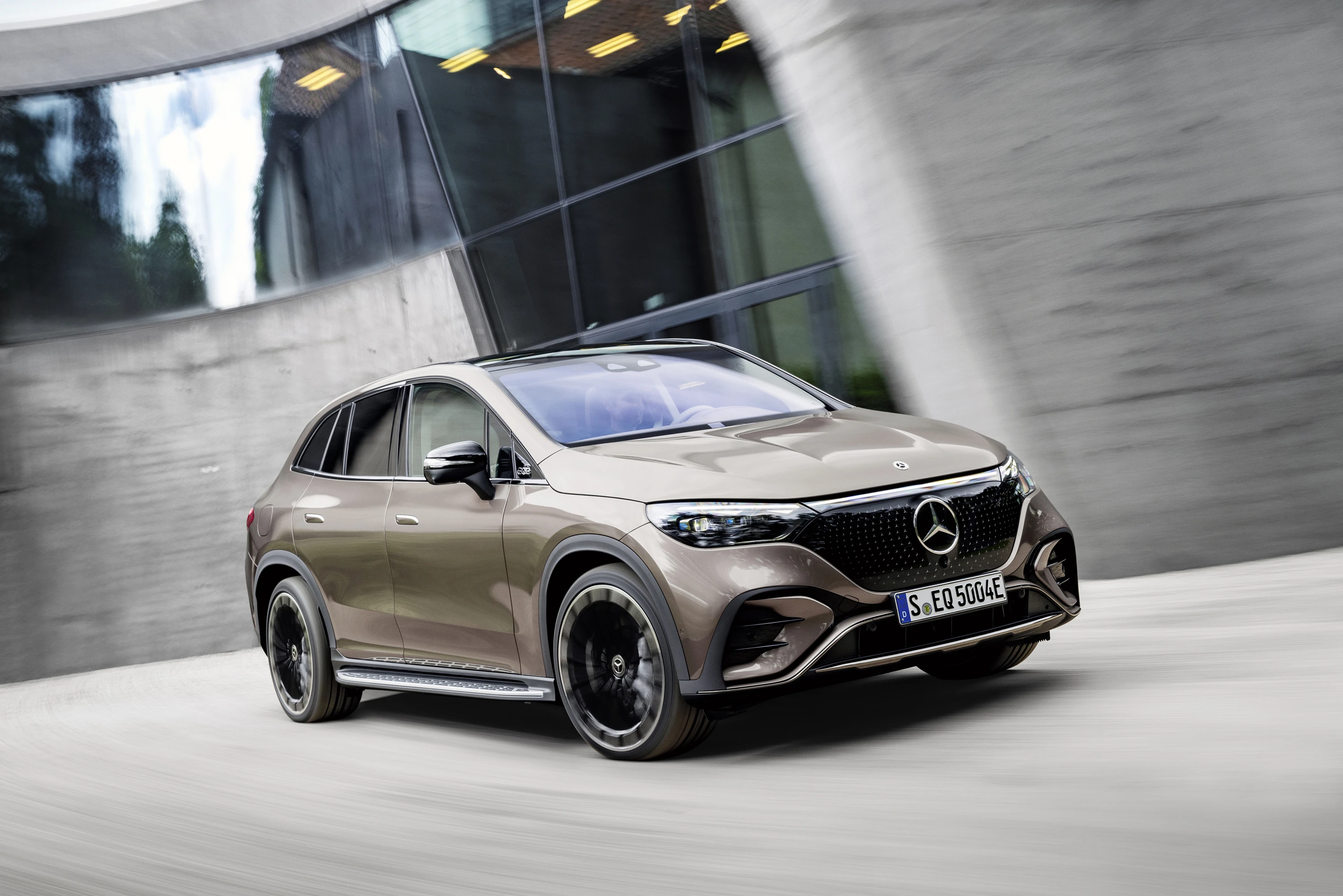
Mercedes-EQ EQE 350 4MATIC SUV
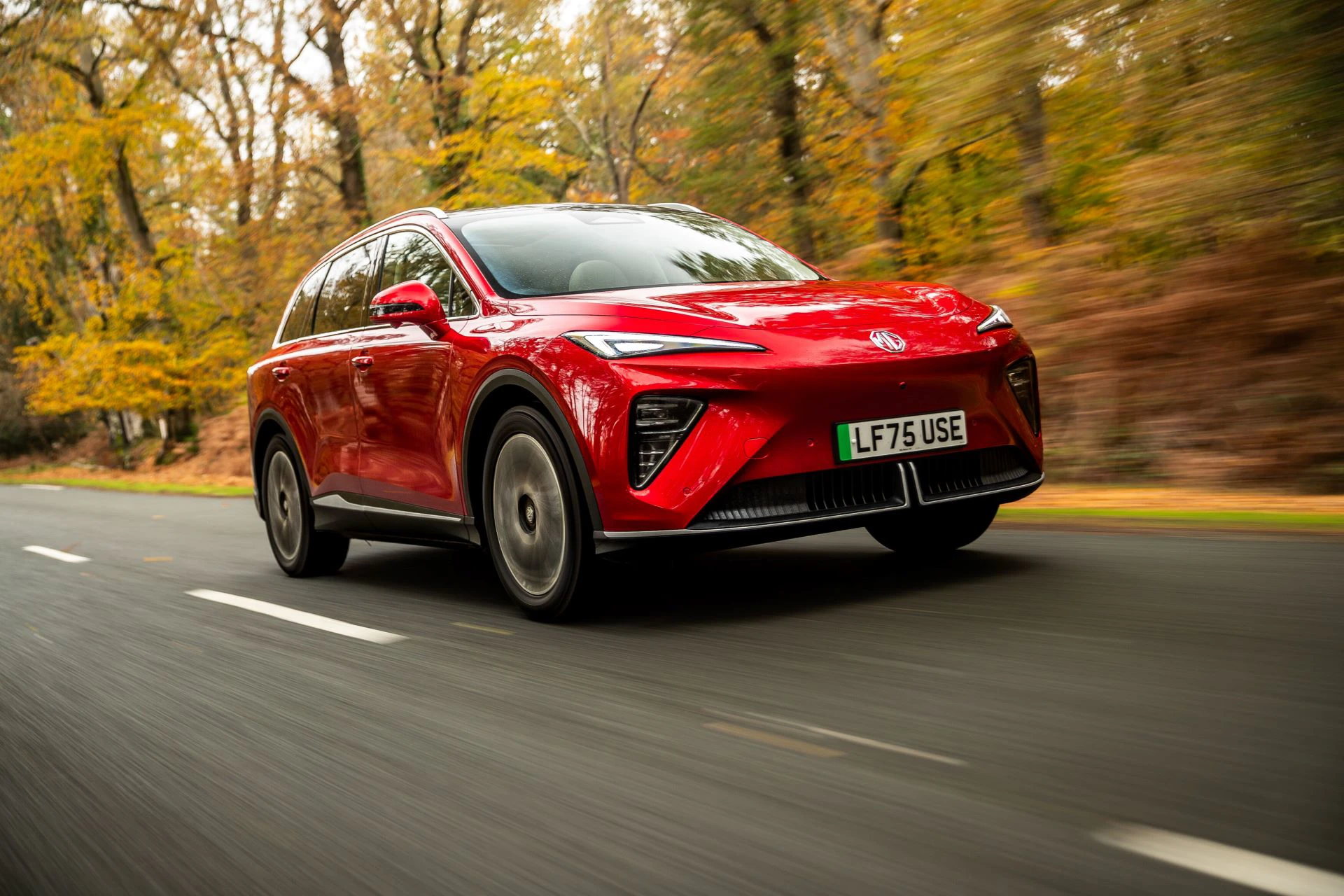
MG MGS6 EV RWD
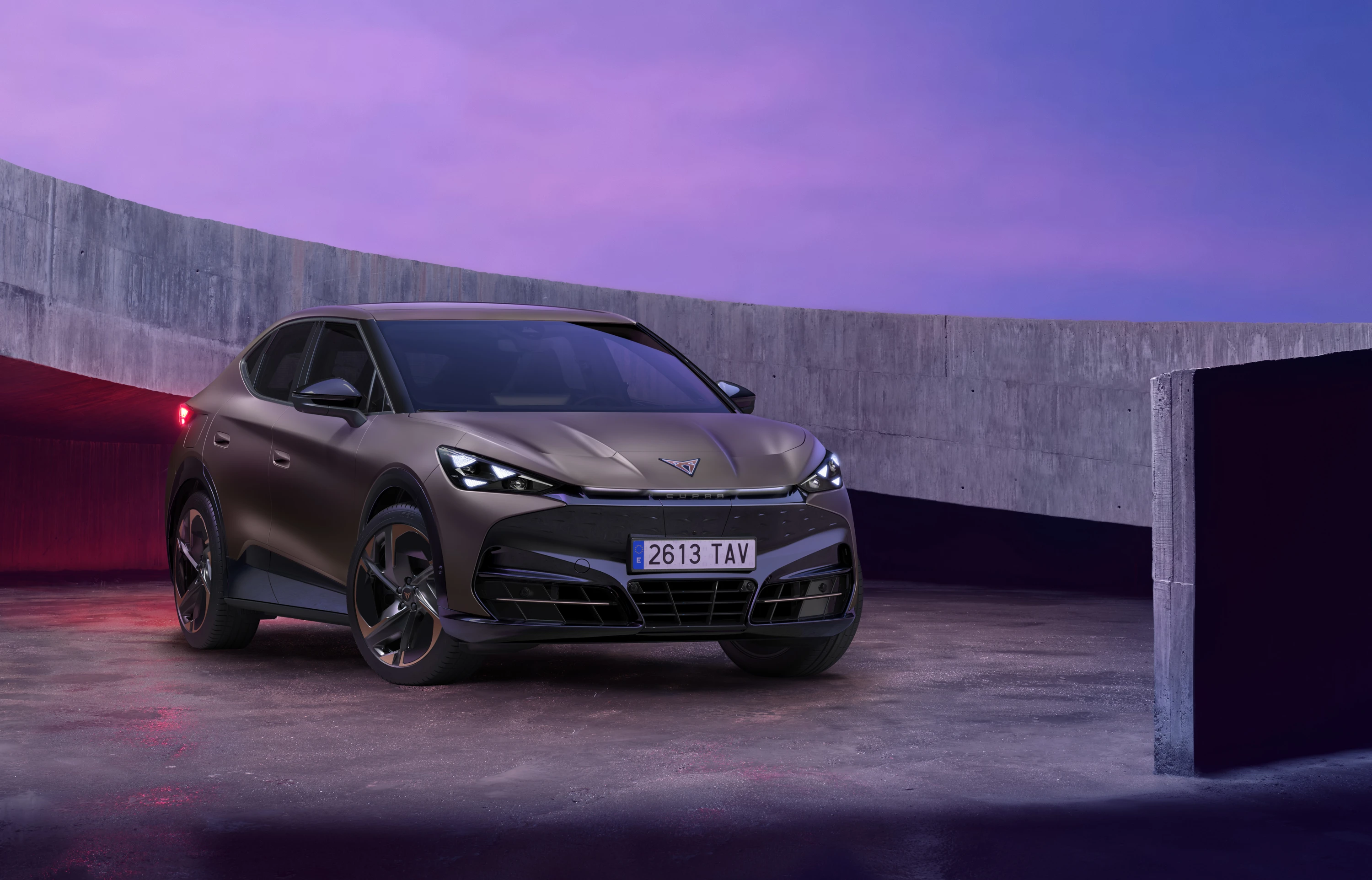
CUPRA Tavascan Endurance
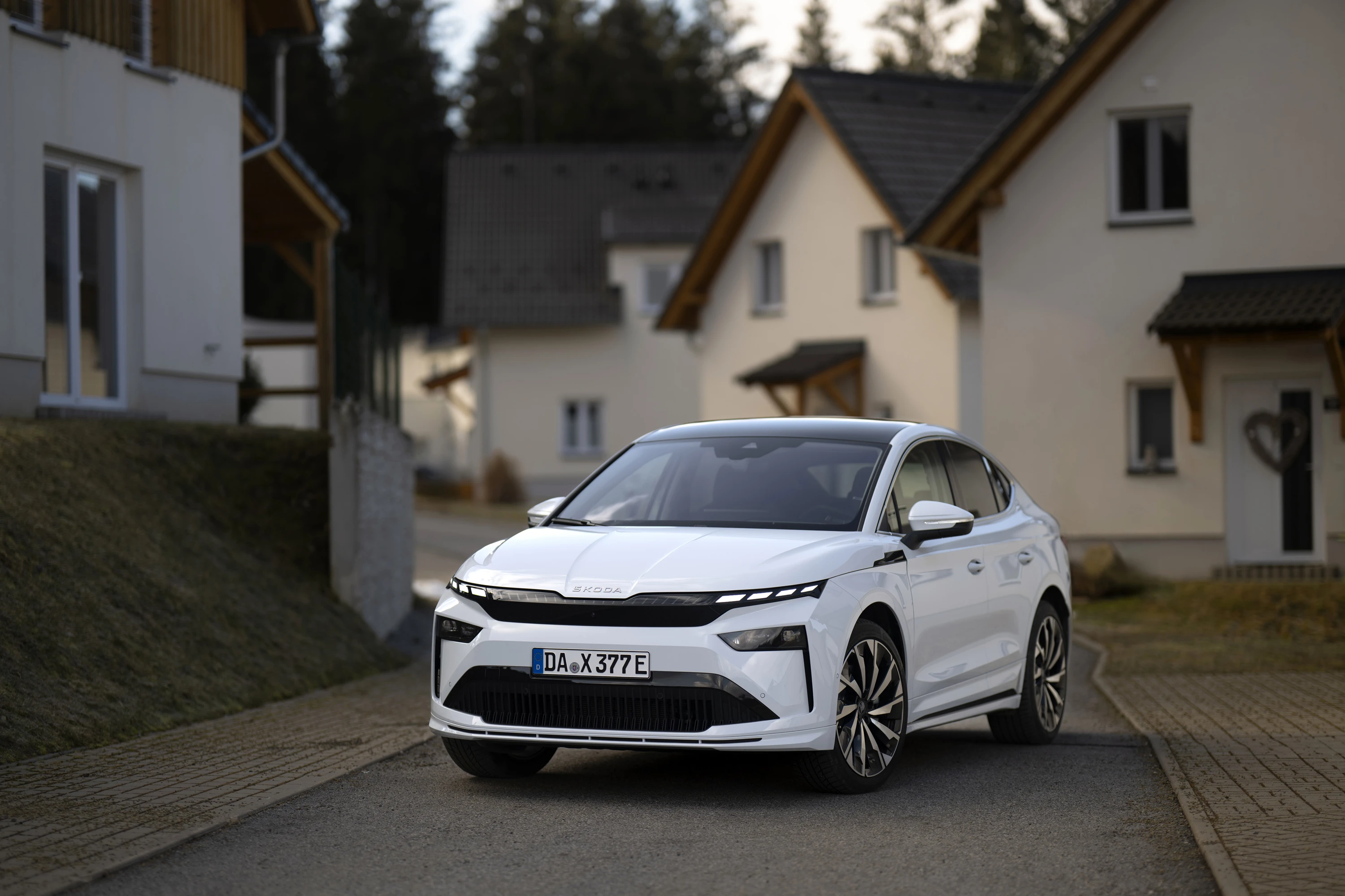
SKODA ENYAQ COUPÉ 85x
Daily Commute Performance
Back to Commute ComparisonUnderstanding Daily Commute Performance
Daily commutes are fundamentally different from long-range trips. While road trips require strategic charging stops, your daily commute should fit comfortably within your vehicle's range without any charging interruptions.
The key questions for commuters are: How often do I need to charge during a typical week? And how much time will charging actually take?
Home/Work Charging
If you can charge at home or work, learn about daily energy consumption and overnight charging times. Most EV owners find this the most convenient option.
Public Fast Charging
No home charging? See how often you'll need public charging sessions and how long each session takes. Perfect for planning your weekly routine.
Urban 10km
None
Battery Options
Daily Range Timeline
See how your battery level and available range changes over time
Energy Consumption Summary
The Chevrolet Equinox EV AWD uses 4.0 kWh or 4% of its battery capacity for this daily commute. After one full week of commuting, 78% battery is remaining, which means you still have 363 km of range available for weekend trips and errands.
Traffic Impact Analysis
Traffic impacts EV efficiency in complex ways. While lower speeds reduce aerodynamic drag, longer driving times mean more energy used for heating, air conditioning, and other systems.
Free Flowing Traffic
With Traffic (Stop & Go)
Traffic increases energy consumption due to longer driving times, requiring more frequent charging despite lower speeds.
Charging Time Requirements
Compare home/work charging convenience with public fast charging options
Home/Work Charging
Time Investment: 42 minutes driving vs 22 minutes charging (1.9:1 ratio)
Since you're sleeping or working during charging, the actual time impact is zero. You plug in when you get home and unplug when you leave - just like charging your phone.
Public DC Fast Charging
Time Investment: 15 hours and 30 minutes driving vs 66 minutes charging (14.2:1 ratio)
That's less than 7% of your commute time spent charging. Perfect for a coffee break or quick grocery run every few days.
About These Calculations
Charging Frequency: Based on real simulation data using your vehicle's actual efficiency and battery capacity. Real-world performance may vary depending on driving conditions, weather, and driving style.
Energy Consumption: Calculated from simulation data based on this specific commute route. Actual consumption varies based on traffic, temperature, and vehicle efficiency.
Route Types: Urban (city driving), Country (rural roads), Highway (high-speed driving). Mixed routes combine different road types in various proportions.